Off-Grid Solar System in Kerala: Cost, Benefits, Battery Backup and Complete Guide
Kerala gets good sunlight for most of the year, and it also gets long power cuts during the monsoon, in hill areas, and in pockets where the KSEB line is weak or far away. If you have ever sat through a three hour outage in Wayanad or watched your inverter battery die halfway through the night in Idukki, you already understand why people here search for off grid solar Kerala options.
An off grid solar power system runs your home entirely on solar and battery storage, with no dependence on the grid at all. This guide covers what it is, what it costs in Kerala in 2026, how much battery backup you actually get, how it compares to on grid solar, and how to size the right system for your home.
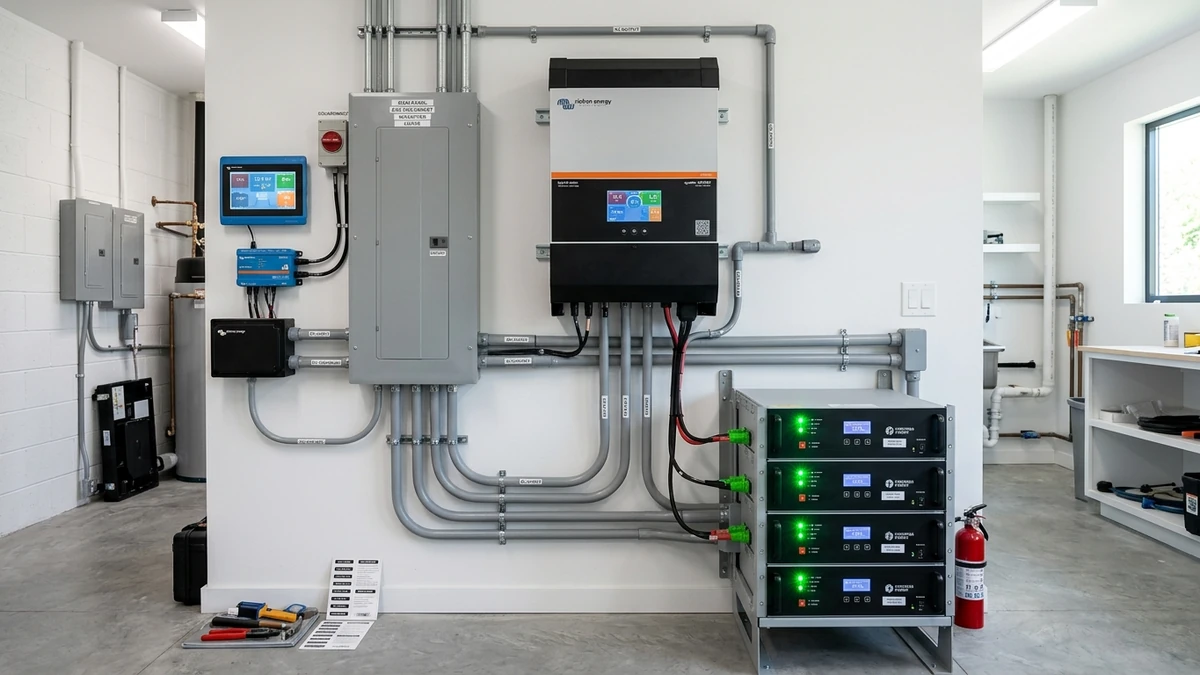
Key Takeaways
- An off grid solar system in Kerala works completely independent of KSEB, using batteries to store daytime generation for night use.
- Indicative off grid solar system price in Kerala runs roughly from Rs. 1.1 lakh for 1kW to Rs. 5.5 lakh and above for 5kW, with the battery bank driving most of the cost difference.
- Off grid solar systems do not qualify for the PM Surya Ghar subsidy, because that scheme is tied to grid connected net metering.
- Lithium batteries cost more upfront than tubular lead acid but last two to three times longer and handle Kerala humidity better.
- Off grid solar for home makes the most sense for remote areas, farmhouses, plantation properties, and homes with very unreliable supply.
- For most urban and semi urban Kerala homes with a stable KSEB connection, a hybrid or on grid system delivers better returns than a full off grid setup.
What Is an Off Grid Solar System?
An off grid solar system generates, stores and supplies all the electricity your property needs without any connection to the utility grid. During the day the solar panels power your loads and simultaneously charge a battery bank. After sunset, and on heavily overcast monsoon days, the battery bank takes over.
The important difference from a normal on grid setup is that there is no export and no import. Nothing goes to KSEB, and nothing comes back. Whatever your household consumes has to come from what the panels made that day, or from what the battery stored.
The Five Components of an Off Grid Solar Power System
- Off grid solar panels: usually mono PERC or TOPCon modules in the 500W to 600W range, mounted on a shadow free roof or a ground structure.
- Charge controller: an MPPT controller regulates the voltage coming from the panels into the battery bank and typically extracts 20 to 30 percent more energy than an older PWM controller.
- Solar battery system: the heart of the setup, either tubular lead acid or lithium iron phosphate, sized in kilowatt hours of usable storage.
- Off grid inverter: converts DC from the battery into 230V AC for your home. Sizing is based on peak simultaneous load, not on panel capacity.
- Balance of system: mounting structure, DC and AC cabling, earthing, lightning arrestor and protection devices. In Kerala, the earthing and surge protection matter more than most homeowners expect.
Designing for the Worst Monsoon Week
Kerala receives roughly 4.5 to 5.5 peak sun hours per day averaged across the year, but that average hides a wide swing. A well designed off grid system is sized for the worst monsoon week, not the annual average, which is why generation figures alone are a poor way to compare quotes.
Off Grid vs On Grid Solar: Which One Suits Your Home?
This is the decision that saves or wastes the most money, so it is worth being honest about it.
An on grid solar system has no batteries. It sends surplus generation to KSEB through a net meter, and you draw from the grid at night. It is cheaper per kilowatt, it qualifies for subsidy, and it has fewer parts that can fail. Its one weakness is that it shuts down during a power cut for safety reasons, so it gives you no backup.
An off grid solar power system gives you total independence and full backup, but you pay for that with the battery bank, and batteries are a consumable. You will replace them at least once, sometimes twice, over the 25 year life of the panels.
A hybrid system sits in between. It stays grid connected, exports surplus, and keeps a smaller battery for essential loads during outages. For a large share of Kerala homeowners this is the practical middle path.
When Off Grid Solar Makes Sense in Kerala
- Properties with no KSEB connection at all, or where getting a line extended would cost more than the solar system itself.
- Estates, plantations and farmhouses in Idukki, Wayanad and the high ranges where supply is intermittent.
- Island and backwater properties in Alappuzha and Kollam with difficult grid access.
- Homestays, resorts and remote guest properties where an outage directly affects revenue.
- Borewell pumps, cold rooms and other critical loads that cannot tolerate interruption.
Off Grid Solar System Price in Kerala
Off grid pricing varies more than on grid pricing because the battery choice can swing the total by lakhs. The ranges below are indicative for a fully installed system in Kerala, including panels, inverter, charge controller, battery bank, structure, wiring and commissioning.
- 1kW off grid solar system: approximately Rs. 1,10,000 to Rs. 1,60,000
- 2kW off grid solar system: approximately Rs. 1,90,000 to Rs. 2,70,000
- 3kW off grid solar system: approximately Rs. 2,70,000 to Rs. 3,80,000
- 5kW off grid solar system: approximately Rs. 4,20,000 to Rs. 6,00,000
- 10kW off grid solar system: approximately Rs. 8,00,000 and upward
For comparison, an on grid system of the same capacity typically costs 35 to 50 percent less, because there is no battery bank and no charge controller.
What Pushes the Price Up or Down
Battery chemistry is the single biggest variable. A lithium bank can add 40 to 60 percent to the system cost compared with tubular lead acid of the same nominal capacity, though the usable energy and lifespan are considerably higher.
Autonomy is the second variable. A system built to run for one cloudy evening is far cheaper than one built to run for two full days with no sun. Every extra day of autonomy adds battery, not panels.
Site conditions matter too. Sloped tile roofs, coastal salt exposure in Kannur or Alappuzha, long cable runs to a ground mount, and elevated structures over a sloping compound all add to the installation cost.
Battery Round Trip Losses
In an off grid system, roughly 20 to 30 percent of the energy your panels produce is lost in charging and discharging the battery. This round trip loss is why an off grid system needs more panel capacity than an on grid system serving the same household consumption.
Solar Battery System in Kerala: Lead Acid vs Lithium
Your solar battery backup for home is the component you will think about most, so here is a straight comparison.
Tubular Lead Acid
Lower upfront cost, widely available across Kerala, and easy to service locally. The trade off is a usable depth of discharge of only about 50 percent, a lifespan of roughly four to six years with good maintenance, monthly topping up with distilled water, and a need for a ventilated space. Performance also drops in sustained high temperature.
Lithium Iron Phosphate
Higher upfront cost, but usable depth of discharge of 80 to 90 percent, a lifespan of ten to fifteen years, no watering or maintenance, a much smaller footprint, faster charging, and better tolerance of Kerala heat and humidity. Over a 15 year horizon, lithium usually works out cheaper per unit of energy delivered.
A practical way to think about it: if you plan to stay in the property long term and the system is a core part of how the house runs, lithium is generally the better financial decision despite the sticker shock.
How Much Battery Backup Will You Actually Get?
Homeowners often ask how many hours a system will run, but hours depend entirely on what you are running.
Take a 5kWh usable battery bank. If your evening load is 500W of lights, fans, TV, router and refrigerator, that bank supports roughly ten hours. Add a 1.5 ton air conditioner drawing around 1,200W and the same bank drains in under three hours.
This is why proper load calculation before purchase is not optional. A good off grid solar installation in Kerala starts with an appliance by appliance audit: what runs, at what wattage, for how many hours, and which of those loads are genuinely essential at night.
Benefits of Off Grid Solar for Home
- Complete independence from KSEB tariff revisions, fuel surcharges and outages.
- Uninterrupted power during monsoon storms, when Kerala outages are longest and most frequent.
- Viable electrification for remote areas where a grid extension is expensive or impossible.
- No monthly electricity bill, no meter reading disputes, no fixed charges.
- Silent, fuel free operation compared with a diesel generator, with far lower running cost and no emissions.
- Panels typically carry 25 to 30 year performance warranties, so the generation side of the asset is long lived.
Limitations You Should Know Before Buying
Honest advice is worth more than a sales pitch, so here are the real constraints.
The upfront cost is high and there is no subsidy to soften it. Batteries are a recurring expense that must be budgeted for. Surplus generation on sunny days is simply wasted once the battery is full, because there is nowhere to send it. And your consumption has to stay within what the system was designed for, so adding a new air conditioner two years later can mean upgrading the battery bank.
Does Off Grid Solar Qualify for Subsidy in Kerala?
No. The PM Surya Ghar Muft Bijli Yojana provides up to Rs. 78,000 for residential rooftop systems, but eligibility is tied to a grid connected installation with KSEB net metering. Since an off grid system has no grid connection and no net meter, it falls outside the scheme.
If subsidy eligibility matters to you and you also want outage protection, a hybrid system is the route worth exploring, since it retains the grid connection and net metering while adding battery backup. Confirm the current scheme conditions with your installer before committing, as guidelines are periodically updated.
How to Size the Best Off Grid Solar System for Your Home
- List every appliance you want the system to run, with its wattage and daily running hours. Total this to get your daily energy requirement in kilowatt hours.
- Add 20 to 30 percent for system losses, wiring losses and battery round trip inefficiency.
- Divide by an effective 4 peak sun hours for Kerala, using a conservative figure rather than the annual average, to arrive at required panel capacity.
- Decide your days of autonomy. One day is standard, two days is safer for the monsoon and for hill districts.
- Size the battery bank from your night time and autonomy requirement, applying the correct depth of discharge for the chemistry you choose.
- Size the inverter for the highest simultaneous load, and account for the surge current of motors, pumps and compressors.
Installation and Maintenance in Kerala Conditions
Kerala is a demanding environment for solar. Heavy monsoon rain, high humidity, salt laden coastal air, frequent lightning and dense tree cover all shorten the life of a poorly installed system.
Look for galvanised or aluminium mounting structures rather than untreated mild steel, IP65 or higher rated enclosures, proper DC and AC surge protection, dedicated earthing for the array and the inverter separately, and cable routing in UV stable conduit. Battery rooms need ventilation and should be kept away from direct heat.
Ongoing off grid solar maintenance is straightforward: clean the panels every four to six weeks in dry months, check battery terminals and electrolyte levels if you use lead acid, verify charge controller readings periodically, and get an annual professional inspection of connections, earthing and inverter health.
How to Choose an Off Grid Solar Installer in Kerala
Ask for a written load calculation, not just a capacity quote. Ask which battery brand and chemistry is included, with the exact usable capacity in kilowatt hours rather than just amp hours. Ask for separate warranty terms on panels, inverter, charge controller and battery, because they differ significantly. Ask whether the installer has service coverage in your district. And ask to see completed off grid installations in similar terrain, since off grid work is meaningfully different from routine on grid rooftop jobs.
Planning an Off Grid Solar System in Kerala?
Off grid solar rewards careful design and punishes guesswork. The difference between a system that quietly runs your home for a decade and one that leaves you in the dark on a rainy Tuesday usually comes down to load calculation, battery sizing and installation quality.
FGE Solar designs and installs off grid, on grid and hybrid solar systems across Kerala, with load audits done before any quote is issued. Get in touch for a site assessment and a system design built around how your household actually uses power.
Frequently Asked Questions
What is the price of a 3kW off grid solar system in Kerala?
An installed 3kW off grid solar system in Kerala typically falls between Rs. 2,70,000 and Rs. 3,80,000, depending on whether you choose tubular lead acid or lithium storage and how many days of autonomy you specify. Site conditions and structure type also affect the final figure.
Can an off grid solar system run an air conditioner?
Yes, but it needs to be designed for it. A 1.5 ton inverter AC running for four hours in the evening adds roughly 4 to 5 units to your daily requirement, which usually means a 5kW or larger array and a substantially bigger battery bank. Running an AC on a system sized for lights and fans will drain the batteries and shorten their life.
How long do off grid solar batteries last in Kerala?
Tubular lead acid batteries generally last four to six years with regular maintenance. Lithium iron phosphate batteries typically last ten to fifteen years. Kerala humidity and heat tend to reduce lead acid life at the lower end of that range, which is one reason lithium adoption has grown here.
Is off grid solar better than on grid solar?
Neither is universally better. Off grid solar is better when grid supply is absent or unreliable and backup is essential. On grid solar delivers faster payback, lower cost per kilowatt and subsidy eligibility when your KSEB supply is reasonably stable. Hybrid systems combine most of the advantages of both.
Do I need permission from KSEB for an off grid solar system?
An off grid system that never connects to the KSEB network generally does not require net metering approval. However, if the property retains a KSEB connection for any purpose, you should inform your installer so the two supplies are correctly isolated. Local rules can vary, so confirm before installation.
What happens to surplus solar power in an off grid system?
Once the batteries are fully charged and household loads are met, the charge controller simply throttles back and the surplus generation is not produced. There is no export path, so excess capacity on sunny days is unused. Some owners schedule heavy loads such as pumping or washing for midday to make use of it.
How much roof space does an off grid solar system need?
Plan for roughly 60 to 80 square feet of shadow free roof per kilowatt with modern high efficiency modules. A 5kW off grid array therefore needs approximately 300 to 400 square feet, plus separate indoor space for the inverter and battery bank.
Can I convert my existing on grid system to off grid later?
In many cases yes, by adding a battery bank and replacing or supplementing the inverter with a hybrid or off grid unit. The existing panels and structure can usually be retained. A site inspection is needed to confirm compatibility of the current inverter and DC string configuration.
Official Sources and Accuracy Note
-
01
Ministry of New and Renewable Energy (MNRE)
Off-grid solar PV technical specifications, battery safety standards, and charge controller guidelines. -
02
Kerala State Electricity Board (KSEB)
Safety standards regarding the isolation of captive power sources from the public electrical distribution grid.
Accuracy Note: Off-grid solar autonomy, battery run-times, and prices depend on connected appliance wattages, diurnal usage patterns, and battery storage chemistry. Always conduct an on-site load assessment before commissioning off-grid battery hardware.